What Is Euro Nymphing: A Complete Guide to This Technique

Affiliate disclosure: Some links on this page are affiliate links. If you buy through them we earn a small commission at no extra cost to you. Recommendations are research-driven; we don't claim personal use of every product reviewed. Product prices and availability are accurate as of the date published and are subject to change. Always check Amazon for current pricing before purchasing. Learn more.
Quick Picks
Contact Nymphing: Master Euro Nymphing, Tight-Line and the Mono Rig (BLACK AND WHITE EDITION)
Buy on AmazonLAMSON | E-Series Euro and Tightline Nymphing Fly Fishing Rod | Fresh Water | Cork Fighting Butt, Downlocking Reel Seat
Buy on AmazonTungsten Bead Head Hot Spot Hares Ear Jig Fly - Euro Nymph - Hanak Hooks - 6 & 8 Flies Packs
Buy on Amazon| Product | Price Range | Top Strength | Key Weakness | Buy |
|---|---|---|---|---|
| Contact Nymphing: Master Euro Nymphing, Tight-Line and the Mono Rig (BLACK AND WHITE EDITION) also consider | $$ | Buy on Amazon | ||
| LAMSON | E-Series Euro and Tightline Nymphing Fly Fishing Rod | Fresh Water | Cork Fighting Butt, Downlocking Reel Seat also consider | $$ | Buy on Amazon | ||
| Tungsten Bead Head Hot Spot Hares Ear Jig Fly - Euro Nymph - Hanak Hooks - 6 & 8 Flies Packs also consider | $$ | Buy on Amazon |
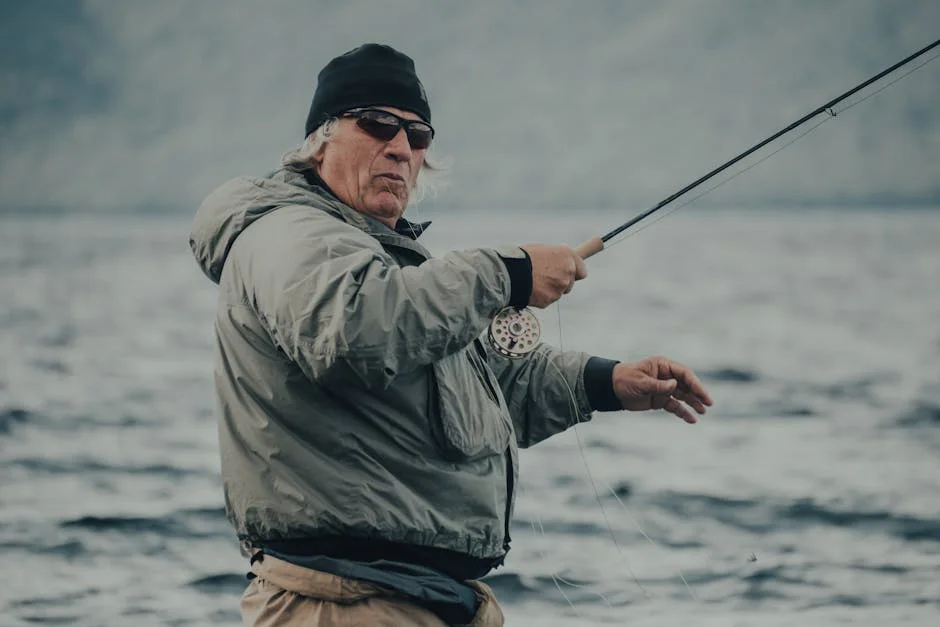
Euro nymphing is a subsurface fly fishing technique built around one principle: eliminate all slack between your flies and your hand. No indicator, no fly line belly sagging toward the water. Just a long rod, a near-weightless leader system, and direct contact with your nymphs as they drift through the water column. That direct connection changes everything about how you detect a strike.
If you’ve ever watched an indicator drift through a run and wondered whether your flies were actually reaching fish, you’re ready to understand why this technique has spread from European competition circuits to everyday trout fishing across the U.S.
What Euro Nymphing Actually Is
Euro nymphing is a family of tight-line nymphing techniques developed for competitive fly fishing, primarily in Central and Eastern Europe, where anglers fished without indicators under competition rules. The core methods, Czech nymphing, Polish nymphing, French nymphing, and Slovak nymphing, differ in leader length and fly weight, but all share the same foundational idea: keep the leader tight enough to feel a take before you can see it.
The term “euro nymphing” has become a catch-all in American fly fishing for any tight-line nymphing method that uses a long, light rod, a colored sighter section in the leader, and minimal or no fly line beyond the rod tip. For most anglers exploring the Techniques & Methods section of this site, that’s the version worth learning first.
How It Differs From Indicator Nymphing
Traditional indicator nymphing suspends a strike indicator on the leader and watches it for movement. The indicator is visual feedback. Euro nymphing replaces that visual feedback with tactile feedback through the tippet. The difference matters more than it sounds.
With an indicator rig, a subtle take registers as a twitch or pause in the indicator. Many takes never move the indicator at all, because the fish grabbed the fly and expelled it before the slack in the system transmitted anything. With a tight-line system, you feel the take directly through the rod tip. Soft takes that an indicator would miss become detectable.
The tradeoff is coverage. An indicator rig can fish at range and cover water across a wide drift. Euro nymphing keeps you close, typically within 20 to 30 feet of your target, often closer. You give up distance and gain sensitivity.
The Equipment Basics
A dedicated euro nymphing setup uses a rod longer than a standard trout rod, usually 10 to 11 feet, built with a softer tip that telegraphs takes and a stiffer butt section to control heavy nymphs. These rods are noticeably lighter than their length suggests. The light swing weight is the point: holding a 10-foot rod at arm’s length for a full day of fishing demands a blank that doesn’t fatigue your forearm.
The line system is not conventional fly line. Most euro nymphing setups use a level monofilament or fluorocarbon running line, a colored sighter section (typically bi-color, four to six feet of high-visibility mono), and a long tippet section down to the flies. There is intentionally zero fly line weight in the system. The heavy tungsten-bead nymphs create enough mass to load the rod on short casts.
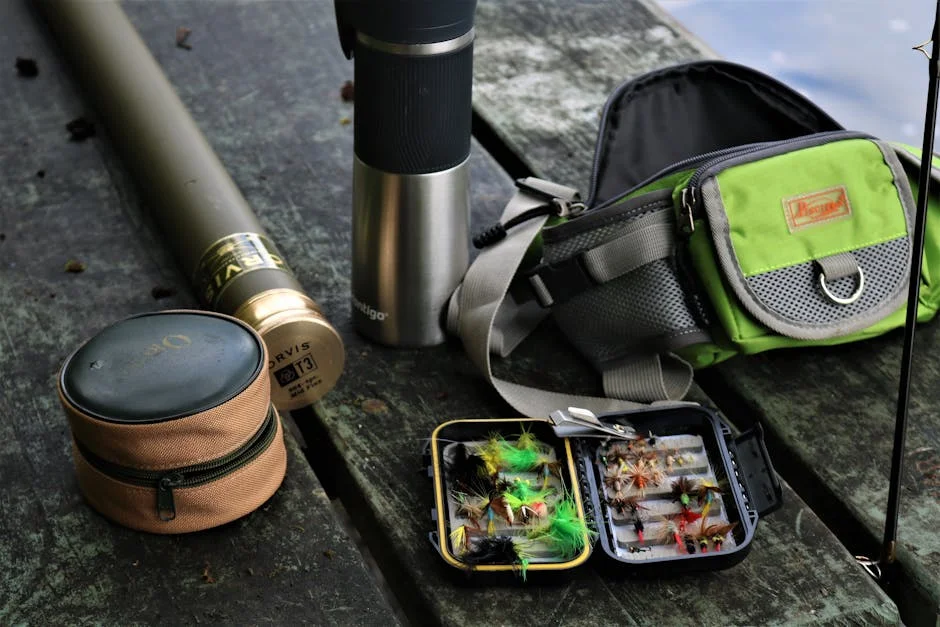
Flies are almost always weighted jig-style nymphs tied on curved jig hooks, with tungsten beads and sometimes hot spot collars. The jig hook rides hook-point-up, which reduces bottom snags and presents the fly in a specific orientation that fish respond to.
Why Euro Nymphing Works
The mechanics are worth understanding because they explain the technique’s strengths rather than just its reputation.
Most trout in moving water hold close to the bottom, where current is slowest and food collects. Getting a fly down quickly and keeping it in the strike zone for as long as possible is the core problem of nymph fishing. Heavy tungsten beads sink fast. The absence of fly line belly means nothing is dragging the nymphs upward mid-drift. The result is a fly that tracks close to the bottom through the entire drift.
The tight-line also eliminates the belly sag that develops in a conventional nymph rig as the fly line drifts downstream. That belly introduces drag, pulling the flies up and across current rather than letting them sink and drift naturally. With a tight-line system, the leader tracks directly down from the rod tip to the sighter to the flies, with only the natural curve of the current acting on it.
After my first two seasons indicator nymphing on Cheesman Canyon, I thought I understood nymph fishing. Then I switched to euro nymphing and spent twenty sessions fishing, by my own honest assessment, worse than before. The system doesn’t click until you stop looking for something visual and start trusting what you feel through the rod. Once that happened, I realized how much of my previous indicator nymphing had been dragging flies through water that held fish but never presented them anything natural. Reading water is the real skill. The tight-line system just gives you honest feedback about whether you’re doing it right.
The Learning Curve: What to Expect
Competition evangelists sometimes make euro nymphing sound like a magic system that instantly produces more fish. That oversells it. The learning curve is real, but it’s not as steep as the equipment marketing suggests.
Most anglers find the technique clicks within ten focused sessions. The key word is focused: you need to be deliberately practicing the feel of contact, not just fishing and hoping to figure it out.
Here’s what to expect in stages:
Sessions one through five: You will miss strikes you would have caught on an indicator rig. The sighter will do things you don’t understand yet. Your flies will be too light for the water depth or the current speed, and you won’t feel the bottom. Fish short, slow water first.
Sessions six through ten: You’ll start developing a feel for when the sighter hesitates versus when the current pulls it naturally. The distinction between a take and bottom contact will start to become interpretable. Catch rate starts climbing.
Beyond session ten: Most anglers are hooked at this point. The technique rewards patience and attention in a way indicator nymphing doesn’t require.
One thing I’d push back on: you don’t need to buy a dedicated euro nymphing rod to start. The core principle, eliminating slack between your fly and your hand, can be applied with a standard 9-foot rod and a long mono leader. If the technique clicks, invest in the dedicated system. If it doesn’t, you’ve lost nothing.
Gear That Supports the System
Euro nymphing rewards a matched system more than most fly fishing disciplines. The rod, line, and flies each affect how the other components perform. A standard fly line with a euro nymphing rod produces drag regardless of rod quality. A too-light fly with a perfect line system won’t reach the strike zone. Everything connects.
Lamson E-Series Euro and Tightline Nymphing Fly Fishing Rod
The Lamson E-Series Euro and Tightline Nymphing Fly Fishing Rod is a mid-range dedicated euro nymphing blank that spec data shows is built with the long, light profile the technique demands, including a cork fighting butt and a downlocking reel seat that balances the outfit toward the hand.
Verified buyers note that the tip section responds well to subtle takes without feeling mushy on the hookset, which is a balance euro nymphing rods genuinely have to get right. Too soft a tip and you lose hookset power on longer drifts. Too stiff and you don’t feel the takes the technique is built around.
The fighting butt and downlocking reel seat are functional details, not cosmetic ones. A fighting butt gives you a second contact point when fighting fish in heavier current. A downlocking seat keeps the reel from creeping forward under the vibration of a long day’s casting. Owner reviews from the euro nymphing community indicate the E-Series holds its own against premium alternatives at a significantly lower price band, which makes it a reasonable starting point for anglers investing in a dedicated system for the first time.
Check current price on Amazon.
Tungsten Bead Head Hot Spot Hares Ear Jig Fly
Tungsten Bead Head Hot Spot Hares Ear Jig Fly packs are tied on Hanak hooks, which is a meaningful detail. The curved jig hook profile is foundational to euro nymphing fly design: the hook rides point-up, reducing bottom snags and keeping the fly in a consistent orientation through the drift. The tungsten bead sinks the fly quickly, which matters more on tailwaters with specific depth requirements than on the shallow riffles where a lighter fly might work fine.
The hot spot collar, a band of bright dubbing or thread near the bead, mimics the gas bubble or trigger point that draws a fish’s attention to the fly in off-color water or low-light conditions. Field reports from euro nymphing communities consistently list hot spot hare’s ear variants among the most productive patterns across multiple river systems.
One lesson I took too long to absorb: the angler who fishes four flies with real confidence in each one will outfish the angler carrying 400 patterns. The hare’s ear in a jig configuration, on a quality hook, with the right bead weight for the water depth, covers enough of the trout’s subsurface diet to be a primary pattern on almost any river I’ve fished in Colorado or Wyoming.
Check current price on Amazon.
Contact Nymphing: Master Euro Nymphing, Tight-Line and the Mono Rig (BLACK AND WHITE EDITION)
Contact Nymphing: Master Euro Nymphing, Tight-Line and the Mono Rig by George Daniel is the resource I’d hand to any angler starting this technique. I’ll be direct: George Daniel’s work sat on my shelf for a year before I actually read it. That was a mistake. The book covers the mechanics of tight-line systems with enough technical depth to satisfy an angler who wants to understand why the technique works, not just how to execute the motions.
Verified readers note the book addresses leader construction, rod angle, fly weight selection for different current speeds, and strike detection in a systematic way that shorter online resources rarely match. The black and white edition makes the content accessible at a mid-range price point without sacrificing the instructional depth.
For anglers who are visual learners and prefer video, there are strong online resources available. But for anyone who wants a reference they can return to as their technique develops, this book covers the material at a level that still surfaces useful details even after multiple seasons of active practice.
Check current price on Amazon.
Buying Guide: Putting Together a Euro Nymphing System
Getting the most out of tight-line nymphing means understanding how each component connects to the others. This section covers the decisions worth making deliberately before you buy. For broader context on how euro nymphing fits into the range of available subsurface techniques, the Techniques & Methods hub covers the full landscape.
Rod Length and Action
Euro nymphing rods are typically 10 to 11 feet long, built lighter than their length implies. The extra length keeps fly line (or the colored sighter) off the water, reduces drag, and gives you more reach to control the drift without repositioning.
Action matters more than many buyers realize. A softer tip improves take detection but can reduce hookset power at distance. Most dedicated euro nymphing blanks are designed to balance these two demands, with a progressive taper that softens through the tip and stiffens through the mid and lower sections. If you’re evaluating rods, cast with a realistic fly weight (18 to 22 inch tippet, two tungsten jig nymphs) rather than an unweighted line.
The Line System
The line system is where euro nymphing departs most sharply from conventional fly fishing setups. Dedicated euro nymphing lines are level monofilament or co-polymer, not tapered fly line. The colored sighter section, usually two contrasting colors in four to six feet of visible mono, replaces the indicator. You read the sighter’s drift direction and speed rather than watching a foam ball.
The specific line matters because the system is designed as a unit. Using conventional fly line with a euro nymphing rod produces exactly the kind of belly sag and drag the technique is built to eliminate. Cortland, Rio, and Hanak all make dedicated competition nymph lines in the mid-range price band. Budget enough in your initial purchase to include the correct line, not just the rod.
Fly Weight Selection
Fly weight, specifically bead size and material, is your primary depth control in euro nymphing. A 3.5mm tungsten bead sinks noticeably faster than a 2.5mm brass bead. Matching bead size to water depth and current speed is a skill that takes time but is worth learning deliberately.
A basic starting inventory covers three bead sizes in the same pattern: small for shallow, slow water; medium for mid-depth runs; and large for deep slots and fast current. Field reports from euro nymphing communities consistently show that anglers who adjust fly weight to the specific water they’re fishing outperform anglers who use a single weight setup across variable conditions.
Tippet and Leader Construction
Euro nymphing tippet is typically fluorocarbon, from 4X to 6X depending on fly size and fish size. The long tippet section, often four to seven feet from the sighter to the point fly, is part of the presentation system, not just a connection to the hook. Shorter tippet transmits current drag more aggressively. Longer tippet gives the fly a more natural drop and drift.
A basic euro nymphing leader setup runs from the running line through a short butt section of heavier mono, into the sighter, into a transition tippet, and then to the point fly. A dropper off a tag knot above the point fly adds a second nymph. Keep the dropper short, four to six inches, to prevent tangling during the cast.
Water Type and Technique Adjustment
Tailwaters and freestone rivers fish differently under a tight-line system. Tailwaters tend to have consistent depths, defined seams, and fish that hold in predictable lanes. The technique rewards precision: exact depth control, pattern specificity, and presentation repeatability. Freestone streams reward mobility and the ability to read structure quickly and move to the next likely hold without overthinking the previous drift.
Anglers who fish only tailwaters sometimes approach freestone with too much precision focus. Anglers who fish only freestone sometimes miss the patience that tailwater nymphing demands. The euro nymphing technique itself adapts to both, but the angler has to adjust the mental framework, not just the fly weight.
Frequently Asked Questions
Can I euro nymph with a standard 9-foot 5-weight rod?
Yes, and starting there is actually a reasonable idea before investing in dedicated equipment. A 9-foot rod limits your reach and makes sighter management harder, but the core principle, maintaining direct contact between your hand and your flies, translates to a standard rod with a long mono leader. Spec the leader with a colored sighter section and fish short, slow water first. If the technique clicks for you, the dedicated rod will feel like a significant upgrade.
What flies should I start with for euro nymphing?
A hare’s ear jig nymph, a pheasant tail jig nymph, and a small midge pattern cover the vast majority of what trout eat in the water column across most U.S. trout rivers. Carry them in two or three bead sizes to adjust depth. Verified buyer reports and guide recommendations consistently point to tungsten jig patterns on quality hooks as the foundation of any euro nymphing box. Confidence in fewer patterns outperforms confusion from too many options.
How close do I need to stand to the fish?
Most euro nymphing presentations work best at 15 to 30 feet from your target. The technique is a short-range system by design: longer distances reintroduce the line sag and drag you’re trying to eliminate. Closer is generally better, provided you don’t spook the fish. Wading position matters more in euro nymphing than in indicator fishing because you’re working tighter to the water you’re targeting.
Is euro nymphing only for rivers, or does it work in stillwater?
Euro nymphing is primarily a moving-water technique. The tight-line system is built around using current to drift the fly through the strike zone. In stillwater, there’s no current to produce a natural drift, so the technique loses most of its core advantages. Some anglers apply tight-line concepts to stillwater shoreline structure fishing, but that’s a significant adaptation.
How long does it take to become competent at euro nymphing?
Most anglers find the system starts producing results within five to ten focused sessions. The early sessions involve a lot of missed strikes and confusion about what the sighter is communicating. The inflection point typically comes when you stop looking for visual confirmation and start trusting tactile feedback through the rod. After that inflection point, catch rates usually climb quickly. The technique rewards continued practice, but basic competency is achievable within a single season for most anglers.
<script type="application/ld+json">
{
 "@context": "https://schema.org",
 "@type": "FAQPage",
 "mainEntity": [
 {
 "@type": "Question",
 "name": "Can I euro nymph with a standard 9-foot 5-weight rod?",
 "acceptedAnswer": {
 "@type": "Answer",
 "text": "Yes, and starting there is actually a reasonable idea before investing in dedicated equipment. A 9-foot rod limits your reach and makes sighter management harder, but the core principle, maintaining direct contact between your hand and your flies, translates to a standard rod with a long mono leader. Spec the leader with a colored sighter section and fish short, slow water first. If the technique clicks for you, the dedicated rod will feel like a significant upgrade."
 }
 },
 {
 "@type": "Question",
 "name": "What flies should I start with for euro nymphing?",
 "acceptedAnswer": {
 "@type": "Answer",
 "text": "A hare's ear jig nymph, a pheasant tail jig nymph, and a small midge pattern cover the vast majority of what trout eat in the water column across most U.S. trout rivers. Carry them in two or three bead sizes to adjust depth. Verified buyer reports and guide recommendations consistently point to tungsten jig patterns on quality hooks as the foundation of any euro nymphing box. Confidence in fewer patterns outperforms confusion from too many options."
 }
 },
 {
 "@type": "Question",
 "name": "How close do I need to stand to the fish?",
 "acceptedAnswer": {
 "@type": "Answer",
 "text": "Most euro nymphing presentations work best at 15 to 30 feet from your target. The technique is a short-range system by design: longer distances reintroduce the line sag and drag you're trying to eliminate. Closer is generally better, provided you don't spook the fish. Wading position matters more in euro nymphing than in indicator fishing because you're working tighter to the water you're targeting."
 }
 },
 {
 "@type": "Question",
 "name": "Is euro nymphing only for rivers, or does it work in stillwater?",
 "acceptedAnswer": {
 "@type": "Answer",
 "text": "Euro nymphing is primarily a moving-water technique. The tight-line system is built around using current to drift the fly through the strike zone. In stillwater, there's no current to produce a natural drift, so the technique loses most of its core advantages. Some anglers apply tight-line concepts to stillwater shoreline structure fishing, but that's a significant adaptation. For lakes and ponds, other subsurface methods are generally more productive."
 }
 },
 {
 "@type": "Question",
 "name": "How long does it take to become competent at euro nymphing?",
 "acceptedAnswer": {
 "@type": "Answer",
 "text": "Most anglers find the system starts producing results within five to ten focused sessions. The early sessions involve a lot of missed strikes and confusion about what the sighter is communicating. The inflection point typically comes when you stop looking for visual confirmation and start trusting tactile feedback through the rod. After that inflection point, catch rates usually climb quickly. The technique rewards continued practice, but basic competency is achievable within a single season for most anglers."
 }
 }
 ]
}
</script>Where to Buy
Contact Nymphing: Master Euro Nymphing, Tight-Line and the Mono Rig (BLACK AND WHITE EDITION)See Contact Nymphing: Master Euro Nymphin… on Amazon