What Is Fly Fishing: Guide to Equipment and Basics

Affiliate disclosure: Some links on this page are affiliate links. If you buy through them we earn a small commission at no extra cost to you. Recommendations are research-driven; we don't claim personal use of every product reviewed. Product prices and availability are accurate as of the date published and are subject to change. Always check Amazon for current pricing before purchasing. Learn more.
Quick Picks
The Orvis Guide to Beginning Fly Fishing: 101 Tips for the Absolute Beginner
Buy on Amazon| Product | Price Range | Top Strength | Key Weakness | Buy |
|---|---|---|---|---|
| The Orvis Fly-Fishing Guide, Revised also consider | $ | Buy on Amazon | ||
| The Orvis Guide to Beginning Fly Fishing: 101 Tips for the Absolute Beginner also consider | $ | Buy on Amazon | ||
| The Little Red Book of Fly Fishing (Little Books) also consider | $ | Buy on Amazon |
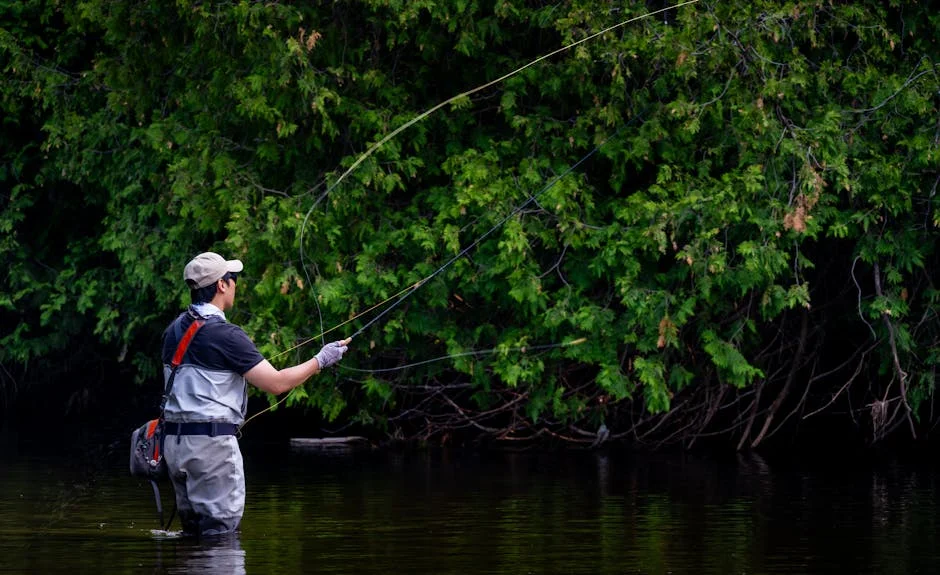
Fly fishing is a method of angling that uses a weighted line to carry a nearly weightless fly to the fish, rather than relying on lure weight to load the cast. That single difference shapes everything: the equipment, the casting stroke, the way you read water, and the way you think about what fish are eating on any given day.
If you’re just getting started, the Fly Fishing Basics hub is a good place to orient yourself before going deeper on any one topic. This article covers the fundamentals: what fly fishing actually is, how it works, and what you need to begin.
What Makes Fly Fishing Different
Most conventional fishing relies on the weight of a lure or sinker to carry a relatively light line out to the target. Cast a spinning rod and the lure pulls the line. Fly fishing works the opposite way. The fly itself weighs almost nothing. It’s the fly line, a thick, carefully tapered, and often coated running line, that carries the weight. You load the rod by moving line through the air in controlled loops, then lay it down on the water.
That inversion changes the whole physical feel of the sport. You’re casting line, not weight. The rod loads against the mass of the line in the air, and timing matters in a way that grip-it-and-rip-it spinning technique simply doesn’t require.
Why This Matters Practically
For fish that feed heavily on insects and other small organisms near or on the water’s surface, a conventional lure heavy enough to cast would splash down like a thrown rock and spook everything within ten feet. A dry fly, nymph, or soft hackle pattern presented on a fly line can land with the same delicacy as the naturals it’s imitating. That’s the practical reason fly fishing exists and persists: it reaches a presentation window that other methods don’t.
That said, fly fishing isn’t only for delicate dry fly work. On bigger rivers, anglers throw heavy articulated streamers that imitate baitfish, crayfish, or leeches. On flats in Belize or the Keys, permit and bonefish get chased with crab and shrimp patterns on 9-weight rods. The casting mechanics are the same. The applications are wider than most beginners realize.
The Core Equipment
You don’t need a lot of gear to start, but each piece in the fly fishing system plays a specific role, and they have to match. Understanding why makes the gear decisions less mysterious.
Rod
A fly rod is longer and more flexible than a spinning rod, typically 8 to 10 feet, built to flex under the weight of moving line and transmit that energy forward. Rods are rated by line weight, from 1 (very light, small stream trout) up to 14 (large saltwater species). A 9-foot 5-weight is the near-universal starting recommendation for trout fishing, and that recommendation is sound.
Action matters too, and this is where I’d offer a caution based on personal experience: the first rod I bought on my own was a stiff, fast-action blank. I thought a faster rod would help me cast farther. It did the opposite. Fast-action rods require good loop formation to load properly, and I didn’t have that yet. I spent two seasons fighting the rod instead of learning. If I were advising a new fly fisher today, I’d say get a medium-fast or medium-action rod first. Fast-action rods reward competent casters and punish beginners.
Reel
On the reel, two things matter for beginners: arbor size (larger arbors retrieve line faster) and drag mechanism. A smooth drag becomes critical when a large fish makes a run, but for most trout fishing at the beginner level, the reel is primarily a line storage device. A quality budget or mid-range reel with a consistent drag will serve you well. You don’t need to spend premium money on a reel to start.
Line, Leader, and Tippet
This is the part that confuses most newcomers. The fly line itself is thick, usually around 0.030 to 0.060 inches in diameter, and tapered. A weight-forward taper concentrates mass toward the front of the line for easier casting. Attached to the end of the fly line is a leader, a tapered monofilament section that transitions the thick line down to a nearly invisible connection. Tippet is the final, finest section of that system, tied to the fly.
Matching line weight to rod weight to the type of fly you’re fishing is the foundational setup decision. Rio Gold and Scientific Anglers Amplitude are two commonly recommended trout lines. For most beginners on still or slow water, a standard weight-forward floating line covers nearly every situation.
Flies
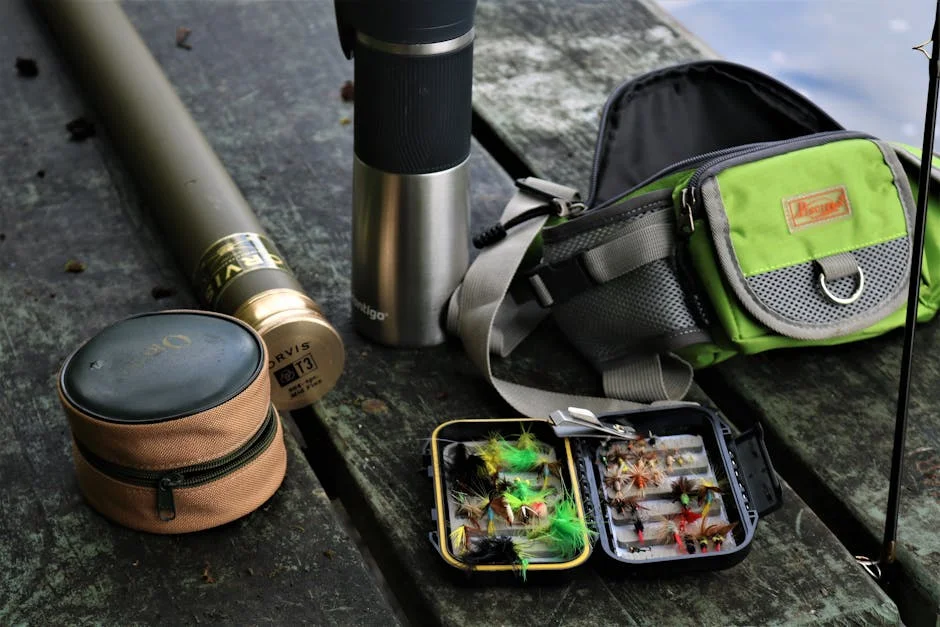
Fly patterns fall into a few broad categories. Dry flies float on the surface and imitate adult insects. Nymphs are fished subsurface and imitate aquatic insect larvae, which is what trout actually eat most of the time. Streamers imitate baitfish, leeches, or other larger prey. Wet flies and soft hackles occupy a middle ground and have a long history in the sport.
A basic beginner box for trout might include Elk Hair Caddis, Adams, Pheasant Tail Nymphs, Hare’s Ear Nymphs, a couple of San Juan Worms, and a basic streamer like a Woolly Bugger. That covers most situations you’ll encounter on a typical trout stream.
How the Cast Works
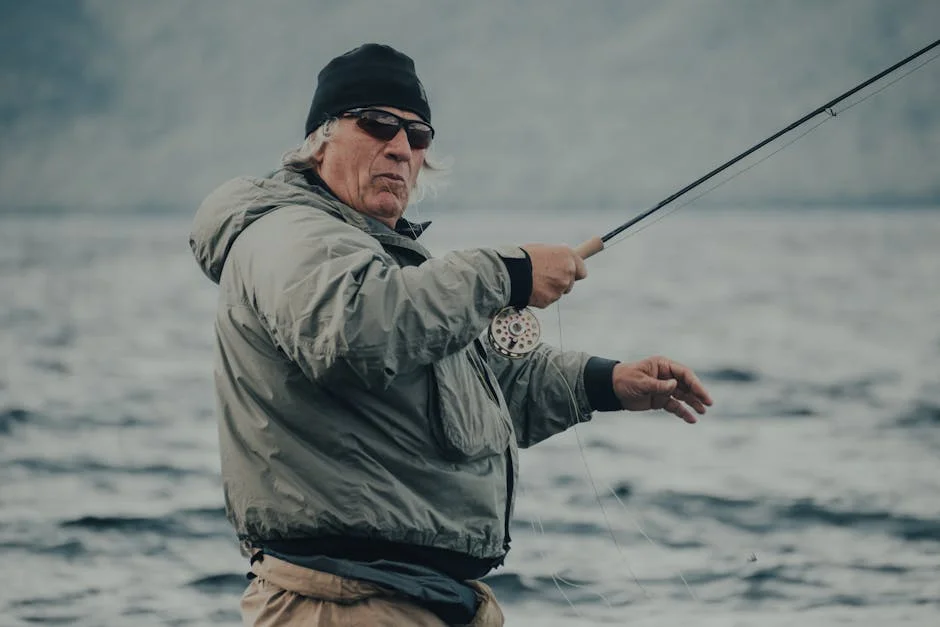
The fly cast is the most technically distinct element of the sport and the biggest barrier for most beginners. The fundamental overhead cast has two power strokes: a back cast and a forward cast, with a brief pause between them to let the loop unfurl behind you.
The most common beginner errors are starting the back cast too late (the line hasn’t fully extended, so the rod loads sloppily), breaking the wrist too much (which opens the loop and kills efficiency), and not pausing long enough between the back and forward cast. A good instructor can correct all three in an afternoon. Online video helps, but there’s no real substitute for having someone watch your stroke in person.
Most fly fishing associations offer free or low-cost casting clinics. Federation of Fly Fishers (now Fly Fishers International) has certified casting instructors across the country. If you’re near a fly shop, ask whether they run beginner classes. Ark Anglers in Salida and most shops I’ve been in will either teach you directly or point you to someone who can.
Beyond the Overhead Cast
Once the overhead cast is reasonably consistent, you’ll encounter situations where it’s not possible, brush behind you, low bridges, undercut banks. The roll cast solves most of those situations and is worth learning early. The reach cast, pile cast, and various mends are downstream skills that matter for presentation once you’re fishing, but the overhead cast and roll cast are the foundational two.
Reading Water and Understanding Fish Behavior
You can have perfect equipment and a reasonable cast and still not catch fish consistently if you don’t understand where fish hold and why. Trout (and most other game fish targeted with fly tackle) balance energy expenditure against energy intake. They hold where current delivers food and structure provides protection, while minimizing how hard they have to work to stay in position.
On a freestone river like the Arkansas above Salida, that often means current seams, the edges between fast water and slow, the head and tailout of pools, and behind any structure that breaks current. On a tailwater like Cheesman Canyon or Eleven Mile, the fish are often more spread out because the flows are regulated and the insect life more consistent throughout the column.
Learning to read water is a long, ongoing process. I’ve been at it twenty years and still get surprised. But the underlying physics of where fish hold based on hydraulics and food delivery is learnable, and even a basic understanding of it dramatically increases your odds.
A Note on Ethics and Access
Fly fishing culture carries a conservation ethic that runs deep. Catch-and-release is widely practiced, not universally required but strongly encouraged on most quality trout water. How you handle fish matters: wet your hands, minimize air time, support the fish horizontally, and watch for signs of full recovery before releasing.
On public land, Colorado’s recreational access easements, and wade-access rights vary by state. On the Arkansas River in Colorado, wade fishing through private land is generally protected by the state’s stream access law, but that’s not universal. Know the rules for the water you’re fishing. When in doubt, ask at a local shop. They’ll know.
Leave-No-Trace principles apply on the water. Pack out tippet clippings, leader packaging, and fly packaging. Monofilament is particularly damaging to birds and other wildlife.
Books Worth Reading
A good book doesn’t replace on-water time, but it frames what you’re seeing when you get there. These three are genuinely useful for beginners, and all fall in the budget price band.
The Orvis Fly-Fishing Guide, Revised
The Orvis Fly-Fishing Guide, Revised by Tom Rosenbauer is the closest thing to a complete reference manual for beginners that I’m aware of in the fly fishing space. Verified buyers consistently note its coverage of casting mechanics, reading water, entomology basics, and tackle selection in a single volume. Spec data confirms it runs well over 300 pages, and field reports from fly fishing communities suggest it functions well as a reference you return to after your first season once you have specific questions that on-water experience has raised. It doesn’t talk down to beginners, but it also doesn’t assume knowledge you don’t have.
Check current price on Amazon.
The Orvis Guide to Beginning Fly Fishing: 101 Tips for the Absolute Beginner
The Orvis Guide to Beginning Fly Fishing: 101 Tips for the Absolute Beginner, also by Tom Rosenbauer, takes a more concise, tip-based approach compared to the full guide above. Owner reviews from verified buyers consistently highlight how approachable the format is for people who feel overwhelmed by comprehensive manuals. The 101-tip structure means you can open it to a specific problem without committing to reading sequentially. Field reports from beginner communities suggest it pairs well with a first casting lesson, reinforcing what an instructor covered and filling in gaps before your next outing.
Check current price on Amazon.
The Little Red Book of Fly Fishing (Little Books)
The Little Red Book of Fly Fishing (Little Books) by Kirk Deeter and Charlie Meyers is a different kind of book than the Orvis titles above. Owner reviews describe it as less of a manual and more of a collection of hard-won observations about the sport, organized around short, digestible entries. Verified buyers note it reads well in small doses and contains insights that remain useful well past the beginner stage. If the Orvis Fly-Fishing Guide is a textbook, this one is closer to a field journal from two experienced anglers who’ve been paying attention for decades.
Check current price on Amazon.
A Practical Buying Guide for Beginners
If you’ve read through the fundamentals above and you’re ready to put together a first setup, here’s how to think through the decisions. For a broader overview of beginner resources and gear categories, the Fly Fishing Basics hub covers these topics in more depth.
Rod and Reel Setup: Start Matched and Boring
The best first setup is probably a matched outfit, a rod and reel sold together, in a 9-foot 5-weight configuration. Mid-range outfits from Orvis, Redington, or Echo represent the current quality floor for a functional fly rod, and that floor has risen significantly over the past decade. Budget outfits have improved too, though the difference in blank quality and hardware starts to show within a season or two of regular use.
Avoid the temptation to start with a fast-action rod because it sounds more capable. Medium-fast or medium action gives you feedback during the cast, which is how you learn. A fast rod that loads late is unforgiving when your timing is still developing.
Line Quality Matters More Than Most Beginners Expect
Many budget outfits come with a functional but unremarkable fly line. Upgrading to a quality weight-forward floating line in the same weight as the rod is often the single highest-return gear investment a beginner can make. Line taper affects how the loop forms, how softly the fly lands, and how well the line mends on the water. Owner reviews across multiple fly fishing communities consistently report that a quality line on a budget rod outperforms a budget line on a quality rod.
Rio Gold is the benchmark weight-forward trout line for most anglers at most levels. Scientific Anglers Amplitude Trout is another strong option. Either will improve a matched beginner outfit noticeably.
Wading Gear: Match to Your Water Type
For beginners, the wading boot and wader choice depends heavily on where you’re fishing. For warm-weather fishing on smaller streams, wet wading in shorts and wading shoes is completely viable and significantly cheaper than a full wader setup. For year-round trout fishing in tailwaters or freestone rivers in variable weather, breathable waders and wading boots are the standard.
Entry-level breathable waders from Redington or Frogg Toggs are functional starting points. Simms is the premium benchmark, and the G3 Guide is genuinely excellent wader, but it’s not a beginner necessity. On wading boots, felt soles are banned on many western waters due to aquatic invasive species transport. Vibram rubber soles with aluminum studs are the standard alternative and work well on most surfaces. Check your target state’s regulations before buying felt soles.
Accessories: What You Actually Need vs. What’s Nice
Basic accessories you actually need: nippers, a hemostat or forceps for hook removal, tippet in at least two sizes (5X and 6X cover most trout situations), strike indicators if you’re nymphing, split shot, floatant for dry flies, and a landing net. A chest pack or sling bag keeps everything accessible without a vest, though vest preference is personal.
Nice-to-have items that are not necessary at the start include multiple fly boxes, a stream thermometer, polarized sunglasses (actually quite useful for spotting fish, so maybe move these up to the necessary list), and leader straightener. Build into those categories over time as you figure out what your fishing actually requires.
Where to Fish First
If you have a local fly shop, start there. Not as a shopping destination, but as a resource. Walk in, tell them you’re new, and ask what’s fishing well locally. A good shop, and most are, will point you to accessible public water where the fishing is reasonable for a beginner. They’ll also tell you what flies are working, which removes one major variable when you’re still figuring out the casting.
On Colorado’s Arkansas River, there are wade-accessible reaches near Salida and Buena Vista that hold decent trout and aren’t so technical that a beginner can’t catch fish. Cheesman Canyon is beautiful but demanding, probably not where you want your first twenty trips. The Deckers area, closer to Denver, is more forgiving in sections. Match your starting water to your current skill level and work toward the harder water.
Tailwaters generally hold more fish per mile than freestone rivers, but they can be technical due to selective fish feeding in clear, steady flows. Freestone rivers have more variable conditions but often more forgiving fish. As a beginner, a semi-productive freestone river with willing fish probably teaches you more per outing than a beautiful tailwater where the fish ignore everything you throw.
For more on all of these fundamentals, from casting to fly selection to reading water, the beginner resources at Fly Fishing Basics are a good next stop.
Frequently Asked Questions
What do I actually need to start fly fishing?
At minimum, you need a rod, reel, line, leader, tippet, and a small selection of flies. A 9-foot 5-weight matched outfit covers most trout fishing scenarios a beginner will encounter. Add nippers, forceps, floatant, and strike indicators for nymphing, and you have a functional kit. Wading gear depends on your target water and the time of year, but wet wading is viable in warmer months without any additional investment.
Is fly fishing hard to learn?
The casting mechanics are genuinely more technical than spinning or baitcasting, and most beginners underestimate the learning curve. That said, you don’t need to cast 60 feet to catch fish. A consistent 30-foot cast and a basic understanding of where fish hold will produce results on most accessible trout water. A single lesson from a certified casting instructor will accelerate your progress more than weeks of unguided practice.
What’s the difference between a dry fly, nymph, and streamer?
Dry flies float on the surface and imitate adult insects. Nymphs are fished subsurface and imitate aquatic larvae, which is what trout eat the majority of the time. Streamers are larger flies fished with active retrieves to imitate baitfish, leeches, or crayfish. Most beginners start with dry flies because the visual strike is exciting, but nymphing is generally more productive and worth learning early.
Do I need expensive gear to get started?
No. Mid-range matched outfits have improved substantially over the past decade and will not limit a beginner’s development. The area where quality matters most, earlier than most beginners expect, is fly line. A quality weight-forward floating line on a budget rod often outperforms a low-end line on a premium rod.
What’s the best way to find good beginner water?
Walk into a local fly shop and ask. Most shop staff fish the local water regularly and will point you to accessible public water that matches your skill level. Local fly fishing clubs, state fish and wildlife websites, and the TroutRoutes app are also practical resources for finding fishable public access. Starting on water with reasonable fish density and forgiving conditions will teach you faster than starting on technical water where catches are rare.
<script type="application/ld+json">
{
 "@context": "https://schema.org",
 "@type": "FAQPage",
 "mainEntity": [
 {
 "@type": "Question",
 "name": "What do I actually need to start fly fishing?",
 "acceptedAnswer": {
 "@type": "Answer",
 "text": "At minimum, you need a rod, reel, line, leader, tippet, and a small selection of flies. A 9-foot 5-weight matched outfit covers most trout fishing scenarios a beginner will encounter. Add nippers, forceps, floatant, and strike indicators for nymphing, and you have a functional kit. Wading gear depends on your target water and the time of year, but wet wading is viable in warmer months without any additional investment."
 }
 },
 {
 "@type": "Question",
 "name": "Is fly fishing hard to learn?",
 "acceptedAnswer": {
 "@type": "Answer",
 "text": "The casting mechanics are genuinely more technical than spinning or baitcasting, and most beginners underestimate the learning curve. That said, you don't need to cast 60 feet to catch fish. A consistent 30-foot cast and a basic understanding of where fish hold will produce results on most accessible trout water. A single lesson from a certified casting instructor will accelerate your progress more than weeks of unguided practice."
 }
 },
 {
 "@type": "Question",
 "name": "What's the difference between a dry fly, nymph, and streamer?",
 "acceptedAnswer": {
 "@type": "Answer",
 "text": "Dry flies float on the surface and imitate adult insects. Nymphs are fished subsurface and imitate aquatic larvae, which is what trout eat the majority of the time. Streamers are larger flies fished with active retrieves to imitate baitfish, leeches, or crayfish. Most beginners start with dry flies because the visual strike is exciting, but nymphing is generally more productive and worth learning early."
 }
 },
 {
 "@type": "Question",
 "name": "Do I need expensive gear to get started?",
 "acceptedAnswer": {
 "@type": "Answer",
 "text": "No. Mid-range matched outfits have improved substantially over the past decade and will not limit a beginner's development. The area where quality matters most, earlier than most beginners expect, is fly line. A quality weight-forward floating line on a budget rod often outperforms a low-end line on a premium rod. Upgrade the line before the rod if you're working within a budget."
 }
 },
 {
 "@type": "Question",
 "name": "What's the best way to find good beginner water?",
 "acceptedAnswer": {
 "@type": "Answer",
 "text": "Walk into a local fly shop and ask. Most shop staff fish the local water regularly and will point you to accessible public water that matches your skill level. Local fly fishing clubs, state fish and wildlife websites, and the TroutRoutes app are also practical resources for finding fishable public access. Starting on water with reasonable fish density and forgiving conditions will teach you faster than starting on technical water where catches are rare."
 }
 }
 ]
}
</script>Where to Buy
The Orvis Fly-Fishing Guide, RevisedSee The Orvis Fly-Fishing Guide, Revised on Amazon